
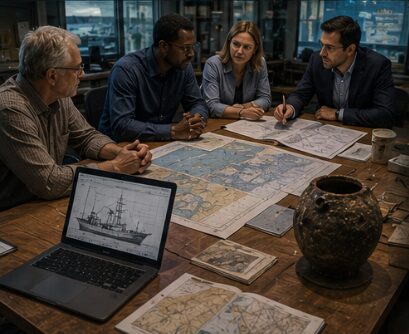
Exploring deep-sea shipwrecks involves an extensive mix of historical research, marine engineering, and mechanical subsea recovery. Every successful salvage operation has the power to redefine traditional understanding of historic maritime trade routes. However, determining long-term asset management strategies for recovered items often creates complex legal arguments.
Mapping Debris Fields Across the Seafloor
Extracting ancient materials from high-pressure marine zones requires automated underwater submersibles and heavy-duty deck winches. Exploration teams log the exact geographic coordinates of every single timber or personal item found on the ocean bed. This rigorous tracking allows historians to accurately visualize how the ship broke apart.
Addressing Regulatory Concerns in Underwater Archaeology
Friction often occurs when international salvagers bypass regional preservation networks during active underwater excavations. Community groups emphasize that cultural items should remain connected to their historical locations to maximize local education. These ongoing custody challenges encourage regulatory bodies to implement clearer artifact monitoring protocols.
The international discussions around the Black Dive Expedition Controversy demonstrate how modern dive initiatives face rigorous ethical accountability. Modern audiences request that exploration projects emphasize public enrichment and descendant representation over commercial asset distribution.
- High-resolution multi-beam acoustic charting
- Robotic extraction arm sensory pressure adjustments
- Specialized shipboard stabilization holding containers
- Comprehensive 3D digital wreck reconstructions
The Science of Rebuilding Fragile Waterlogged Wood
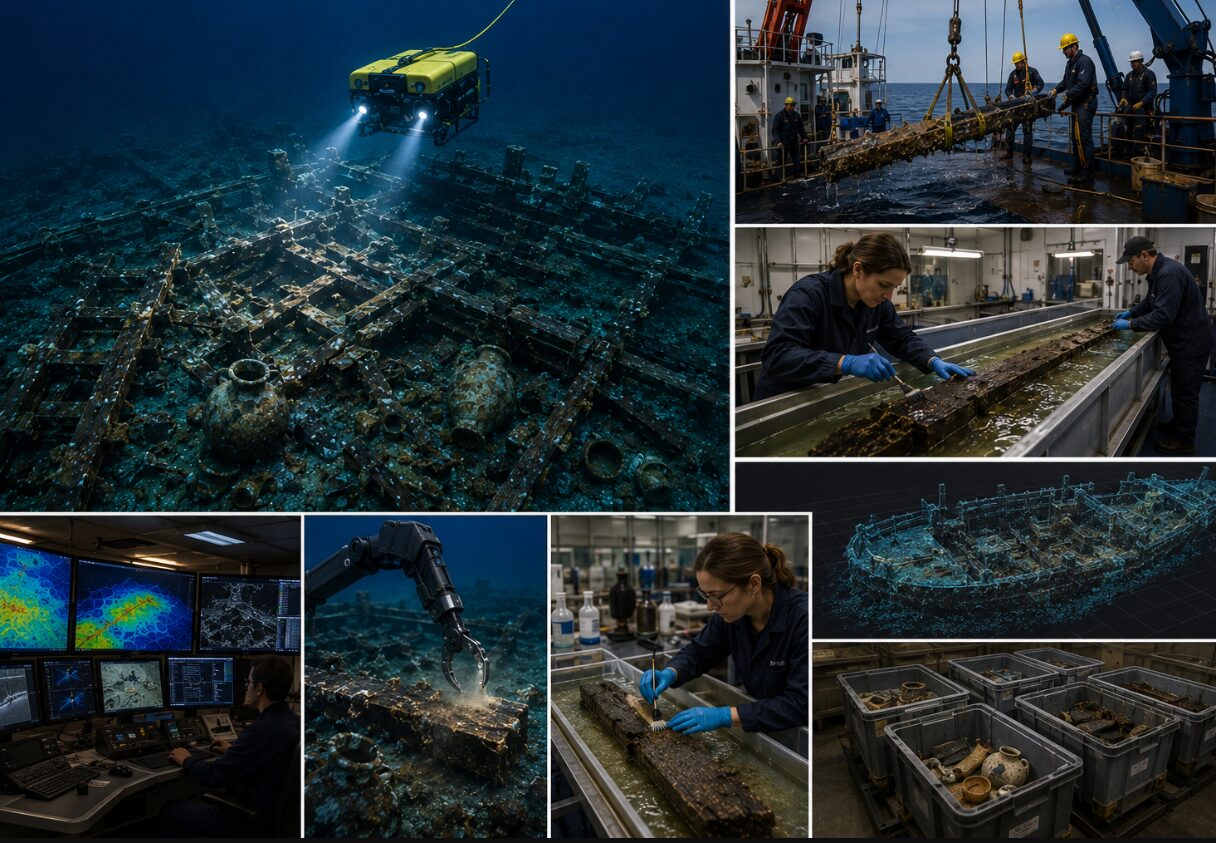
Decades of subsea submersion wear away the cellular walls of organic materials like timber, hemp, and leather. If an unpreserved wooden beam dries too quickly in open air, it will warp, shrink, and splinter permanently. Conservators submerge these items in stable chemical wax mixtures to gradually replace the lost interior moisture.
Conclusion
Safeguarding deep-sea history demands finding a sustainable balance between engineering achievements and community historical claims. Every recovered object holds an important human story that requires a thoughtful, accurate educational framework. Promoting direct partnerships between search operations and regional museums ensures long-term preservation success.
