
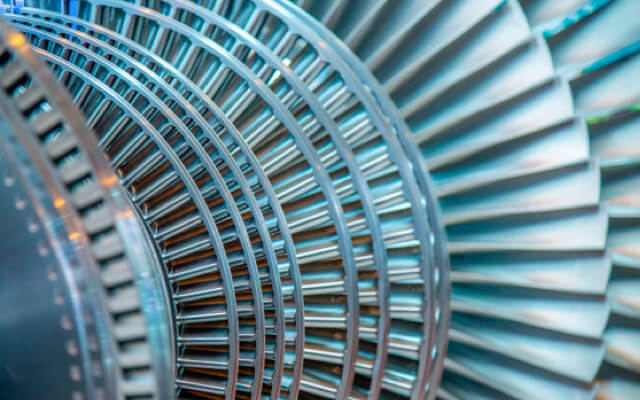
Industries that operate in extreme conditions depend on materials that deliver strength, accuracy, and durability over time. Advanced ceramics meet these requirements, but their hardness and brittleness make them difficult to manufacture using conventional methods. Ceramic Machining provides the precision needed to convert advanced ceramics into functional, high-performance components. With the right techniques and expertise, ceramic machining ensures consistency, reliability, and long-term performance.
The Fundamentals of Ceramic Machining
Ceramic machining is the precision shaping of technical ceramics into finished components. Unlike metals, ceramics cannot flex under stress, which means improper machining can lead to cracks or surface damage. To overcome this, manufacturers use diamond tooling, controlled cutting speeds, and specialized equipment. These methods allow accurate material removal while preserving the ceramic’s structural integrity and performance characteristics.
Why Ceramics Are Ideal for Demanding Applications
Ceramics offer a unique combination of properties that make them suitable for high-performance environments. They resist extreme temperatures, corrosion, and wear while maintaining dimensional stability. These advantages make ceramics a preferred choice for applications where metals or polymers may fail. Precision machining ensures ceramic components meet exact specifications, allowing them to perform reliably in critical systems.
Common Ceramic Materials Used in Machining
Several advanced ceramic materials are commonly machined. Alumina is widely used for its electrical insulation, wear resistance, and affordability. Zirconia provides higher strength and fracture toughness, often chosen for medical and mechanical applications. Silicon carbide performs exceptionally well in high-temperature and abrasive environments, while silicon nitride offers thermal shock resistance and mechanical strength. Each material requires specific machining strategies to achieve optimal results.
Machining Processes Used for Ceramic Components
Different machining processes are applied based on part geometry and performance requirements. Grinding is the most widely used process, offering tight tolerances and smooth surface finishes. Milling enables complex shapes and detailed features using diamond-coated tools. Laser machining is effective for fine details and micro-features where physical contact could cause damage. Polishing enhances surface quality and improves performance in sealing or wear-critical applications.
Precision Control in Ceramic Machining
Precision control is essential when machining ceramics. Even small deviations in tool pressure or cutting speed can cause defects. Skilled machinists carefully manage machining parameters to reduce stress on the material. Advanced monitoring systems and inspection tools help ensure dimensional accuracy and surface quality, resulting in consistent, repeatable outcomes.
Partnering with a Skilled Ceramic Machine Shop
Working with an experienced Ceramic Machine Shop is critical for successful ceramic component production. A specialized shop understands ceramic material behavior and uses equipment designed for precision machining. They can also support design optimization, helping reduce risks and improve manufacturability. This collaboration leads to higher quality parts, reduced lead times, and improved overall efficiency.
Industries That Depend on Ceramic Machining
Ceramic machining supports many high-performance industries. Aerospace applications rely on ceramic parts for heat resistance and durability. Medical manufacturers use ceramics for implants and tools due to their biocompatibility. Electronics benefit from ceramic substrates and insulators that provide stability and performance. Automotive, energy, and industrial sectors also depend on ceramic components to improve reliability in harsh operating conditions.
A Practical View of Ceramic Machining Demand
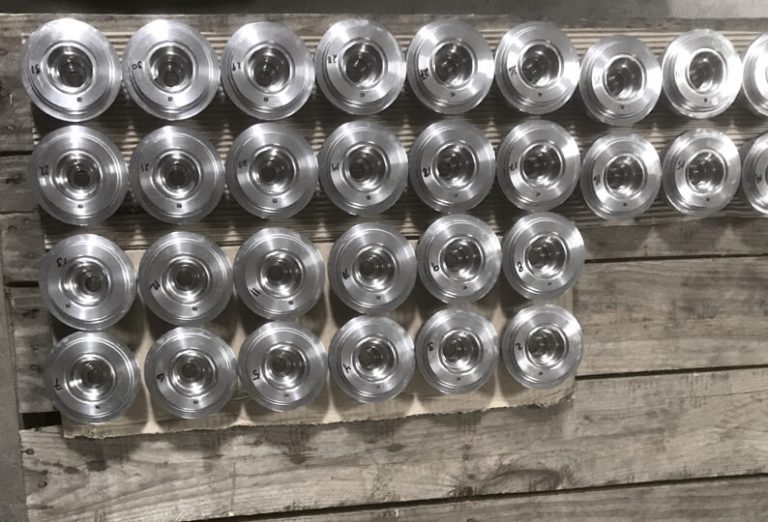
From a practical perspective, ceramic machining continues to grow because it enables better product performance. Manufacturers seek materials that last longer and perform consistently under stress. Ceramic machining makes advanced ceramics usable in real-world applications, helping industries meet higher standards for efficiency, safety, and durability.
Quality Assurance in Ceramic Machining
Quality assurance is a crucial part of ceramic machining. Because ceramics are unforgiving materials, thorough inspection is required at every stage. Dimensional verification, surface finish checks, and material inspections help ensure parts meet specifications. Strong quality systems reduce waste, minimize risk, and ensure dependable performance in final applications.
Conclusion
Reliable ceramic machining plays a vital role in producing high-performance components for demanding industries. By combining advanced materials with precision processes and expert handling, manufacturers can achieve accuracy, durability, and consistency. Choosing the right machining partner ensures ceramic components meet exact requirements and deliver long-term value in critical applications.
Frequently Asked Questions
What makes ceramic machining suitable for high-performance parts?
Ceramic machining allows precise shaping of materials that resist heat, wear, and corrosion, making them ideal for demanding environments.
Are ceramic parts durable over long service periods?
Yes, properly machined ceramic components maintain stability and performance even under extreme conditions.
How is accuracy maintained during ceramic machining?
Accuracy is maintained through controlled machining parameters, skilled operators, and rigorous inspection throughout the process.
