
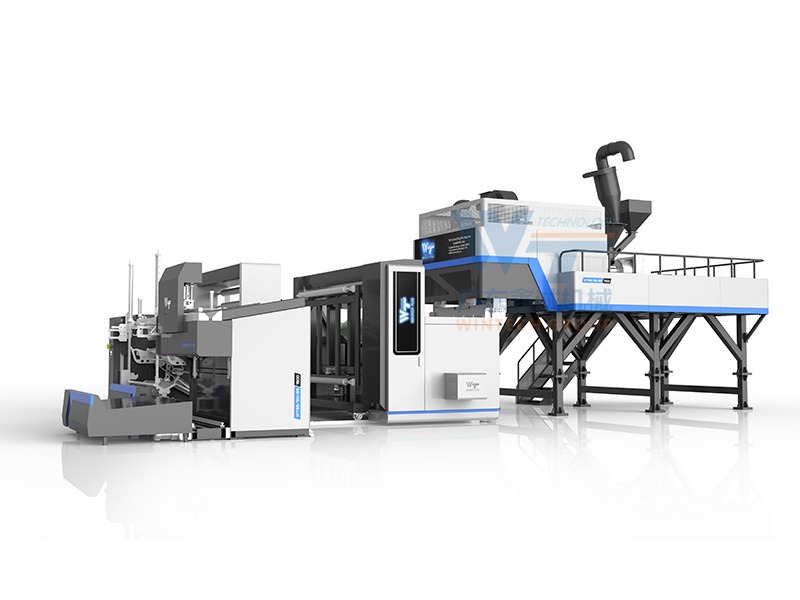
Getting a cast film extrusion line installed is only the beginning. How you set up the machine, train your operators, and establish your operating procedures has an enormous impact on the results you will see during actual production. Many manufacturers find that two facilities running identical equipment achieve very different output quality and efficiency levels simply because of differences in their setup and operational practices. This article covers the most important steps and tips for getting the best results from your casting line from day one.
Pre-Installation Planning
Before your cast film machine even arrives, there is meaningful work to do on the facility side. The floor space allocation must be accurate not just for the machine footprint but also for material flow, roll handling, and maintenance access. Many operators underestimate the space needed around the machine for safe roll removal, resin loading, and routine servicing tasks.
Additionally, your utilities must be correctly specified before installation. Cast film extrusion lines require three-phase electrical power at appropriate voltage and amperage ratings, a reliable chilled water supply for the casting and chill rolls, and compressed air for various pneumatic functions. Confirm all utility specifications with the machine supplier in advance and ensure your facility infrastructure meets those requirements before the installation team arrives.
Resin Handling and Storage
The quality of the resin you feed into your cast film extrusion line has a direct and unavoidable impact on the film you produce. Polyethylene and polypropylene resins must be stored dry and away from contamination sources. Moisture in the resin causes bubbles and surface defects in the finished film, which increases reject rates and wastes material.
Ideally, your resin silo or bag storage area should be covered, clean, and away from direct sunlight or temperature extremes. If you are using multiple resin grades for co-extrusion, clear labeling and separate storage zones prevent accidental mixing, which can cause serious quality problems that are difficult to diagnose once they appear in the film.
Machine Startup Procedure
A correct startup procedure protects both the machine and the product quality of your first runs. Generally, startup involves bringing the extruder and die head temperatures up gradually according to a defined heating profile. Rushing the temperature rise can cause thermal stress in machine components and uneven melt distribution when production begins.
Once temperatures stabilize and the machine has soaked at target temperature for an adequate period, the screw is started at low speed and resin is introduced gradually. The first extrudate should be purged until a clean, consistent melt is confirmed before the film is directed onto the casting roll. A cast film machine started correctly produces usable film much sooner and generates far less startup scrap than one rushed into production.
Optimizing Casting Roll Temperature
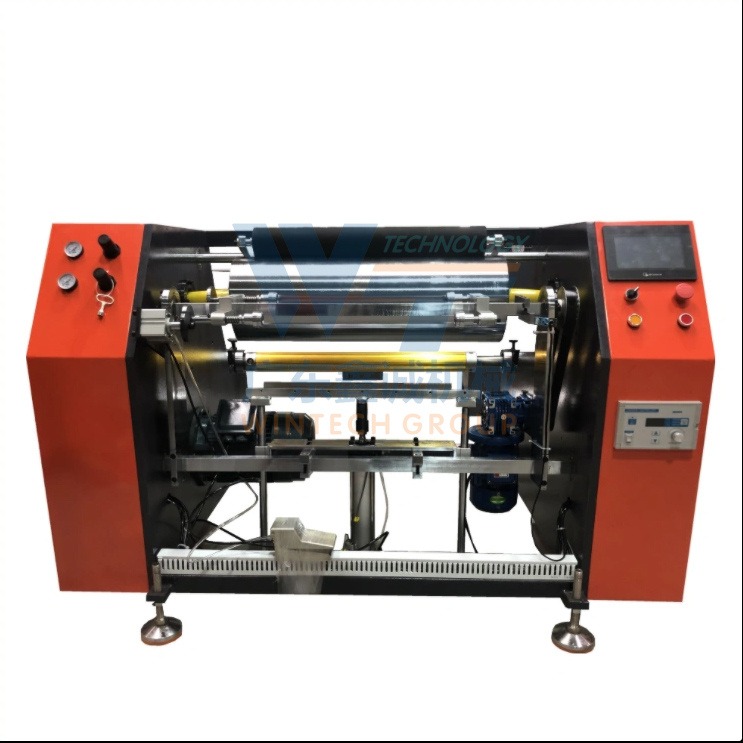
Casting roll temperature is one of the most influential process variables in cast film production. It affects film clarity, surface quality, crystallinity, and mechanical properties. The optimal temperature depends on the resin type, the film thickness, and the line speed. Therefore, it is important to establish and document the optimal temperature settings for each product you produce.
Furthermore, the casting roll must be maintained in good condition. The roll surface must be smooth, clean, and free of scratches or deposits that could mark the film. Regular inspection and cleaning of the casting roll surface is an important maintenance task that directly protects film surface quality.
Managing the Edge Trim and Regrind
Edge trim material should be returned to the process through a consistent regrind system. The proportion of regrind mixed back into the primary resin stream should be controlled carefully. Too much regrind can degrade film properties if the material has been heat-processed multiple times. A good practice is to establish a maximum regrind ratio for each product and monitor it consistently.
A cast film extrusion line that handles regrind well reduces your material cost meaningfully without compromising film quality. Setting up the regrind feeding system correctly from the start is far easier than trying to retrofit it later.
Operator Training and Process Documentation
Even the best machine delivers poor results when operators do not understand the process. Training should cover startup and shutdown procedures, product changeover steps, process monitoring and adjustment, common fault identification, and routine maintenance tasks. Investing time in thorough operator training pays back quickly through reduced scrap, fewer unplanned stops, and more consistent film quality.
Process documentation is equally important. Write down your operating parameters for each product, including temperatures, speeds, roll settings, and winding tension values. This allows consistent results regardless of which operator is on shift and makes troubleshooting much faster when problems arise.
Conclusion
Getting the most from your cast film extrusion line is as much about good operational practices as it is about the machine itself. Pre-installation planning, proper resin handling, correct startup procedures, casting roll management, regrind control, and operator training all contribute to your daily output quality and efficiency. Build good habits from the start, and your investment will deliver the results you planned for.
